

Ensuring the individuality of signal is essential for academic integrity and qualified pc software development. As tasks become more complex and collaborative, the danger of unintentional or planned rule plagiarism increases. A comprehensive source code plagiarism is essential, but achieving correct results needs more than simply managing a tool. It needs a thoughtful strategy that considers the subtleties of programming.
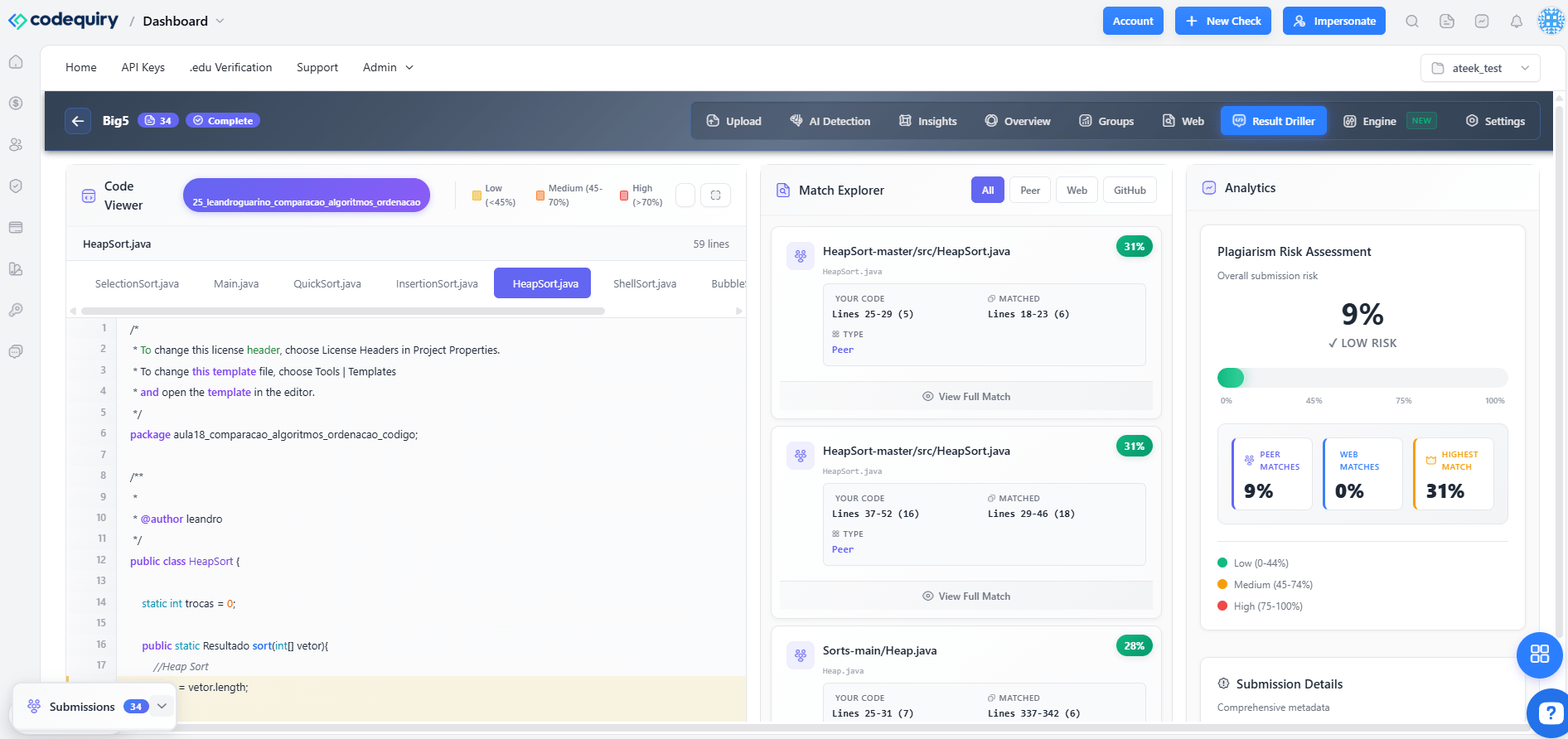
That guide outlines best methods to assist you conduct a more effective and correct code plagiarism check always, ensuring your assessments are generally fair and reliable.
What's a signal plagiarism check always?
A rule plagiarism always check involves applying specific software to examine an item of rule against a huge database of current sources, including open-source tasks, academic repositories, and different published work. The goal is to identify similarities that could suggest unauthorized copying. These instruments are designed to look beyond light improvements, like changing variable names or adding comments, to identify architectural and rational similarities. For educators, this can help uphold academic standards. For designers, it shields rational home and prevents potential legal issues.
How come it important to check on for code plagiarism?
Finding code plagiarism is a must for all reasons. In academic adjustments, it upholds equity and ensures that pupils are building their very own problem-solving abilities as opposed to depending on others' work. In the skilled earth, using plagiarized signal, especially from places with limited licenses, can cause critical legitimate and financial consequences. Unique signal can be easier to steadfastly keep up and debug, whilst the developer has a total understanding of their logic and structure. An effective checking method helps foster a tradition of appearance and honest practice.
How could you improve the accuracy of a code plagiarism check always?
Getting trusted benefits from a rule plagiarism always check involves an ideal approach. Below are a few most useful techniques to follow along with:
• Select the right tool: Different pieces have various capabilities. Pick an instrument that specializes in development languages and understands rule structure. Try to find characteristics that can detect sophisticated forms of plagiarism, such as reason rethinking or algorithm substitution.
• Realize the record: Likeness studies can be complex. Make an effort to learn to read the results. Large likeness ratings don't generally suggest plagiarism; they may point to the usage of normal libraries, frequent algorithms, or boilerplate rule expected by the assignment.

• Analyze the context: A human review is indispensable. Go through the outlined characteristics in the situation of the whole project. Think about the difficulty of the task. For quick, foundational workouts, an increased level of likeness is usually expected. Distinguish between burning fundamental syntax and plagiarizing a distinctive, complex solution.
• Banish themes and boilerplate: If you provide pupils or developers with a signal theme in the first place, ensure that your checker can banish that bottom signal from its analysis. That prevents fake benefits and allows the software to concentrate just on the code that the individual has written.
Your Path to Unique Code
Utilizing these most useful practices may somewhat improve the reliability of one's rule plagiarism checks. By mixing the energy of automated resources with cautious individual examination, you can confidently recognize unoriginal work while ensuring fairness in your evaluations. A diligent checking method not just protects intellectual house but additionally promotes a tougher tradition of moral coding and innovation.